The brain, spinal cord, and nerves control nearly every function in the human body. When something affects the nervous system, the symptoms may range from mild headaches and numbness to difficulty walking, memory problems, or sudden weakness. While some neurological symptoms resolve quickly, others may indicate serious medical conditions that require prompt evaluation and treatment.
For residents of Pimpri-Chinchwad and across Maharashtra, recognizing the early signs of neurological disorders can lead to faster diagnosis, timely treatment, and improved long-term outcomes.
Neurology focuses on diagnosing and managing conditions that affect the brain, spinal cord, peripheral nerves, and muscles. Neurologists evaluate both acute neurological emergencies and chronic disorders that develop gradually over time.
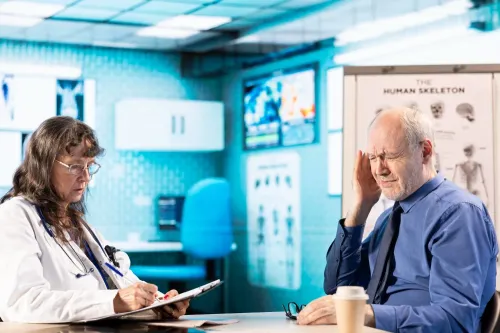
Many people delay seeking medical attention because they assume symptoms such as dizziness or headaches are caused by stress or fatigue. However, persistent or recurring neurological symptoms should never be ignored.
You should consider seeking neurology treatment if you experience:
- Frequent or severe headaches
- Sudden weakness in the face, arm, or leg
- Persistent numbness or tingling
- Difficulty maintaining balance
- Unexplained dizziness
- Memory loss or confusion
- Tremors or involuntary movements
- Seizures or episodes of unconsciousness
- Difficulty speaking or understanding speech
- Vision changes associated with neurological symptoms
These symptoms may be linked to conditions affecting the nervous system and should be evaluated by a qualified specialist.
Neurological disorders can develop due to several factors, including aging, diabetes, infections, autoimmune diseases, injuries, genetic conditions, or reduced blood supply to the brain. Early diagnosis often helps prevent permanent nerve damage and improves treatment success.
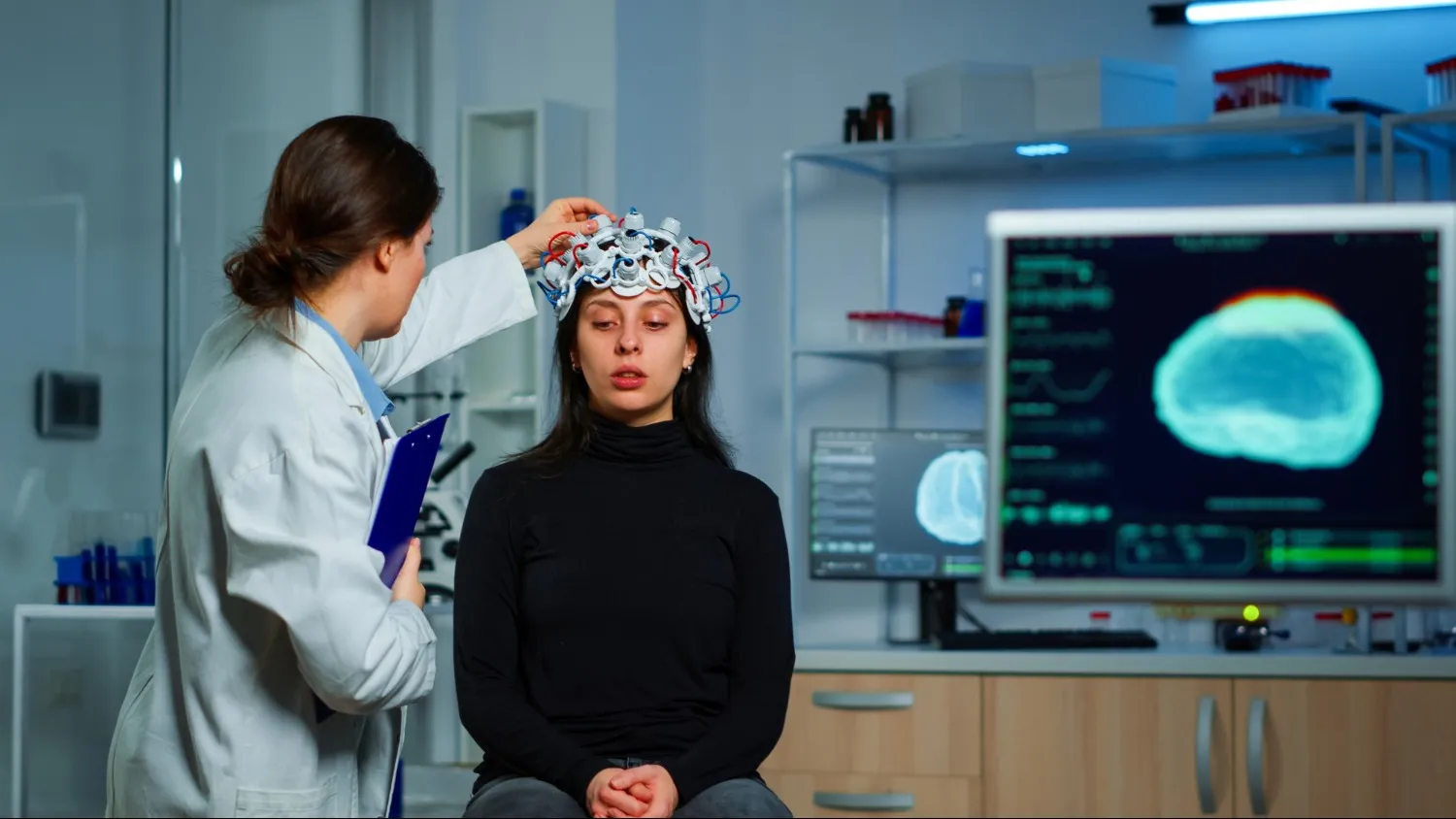
The evaluation process usually begins with a detailed discussion of symptoms, medical history, family history, and neurological examination. Depending on the findings, doctors may recommend investigations such as:
- Brain imaging studies
- Spine imaging
- Nerve conduction studies
- Electromyography (EMG)
- Blood investigations
- Electroencephalogram (EEG) when seizures are suspected
These tests help determine the underlying cause and guide an appropriate treatment plan.
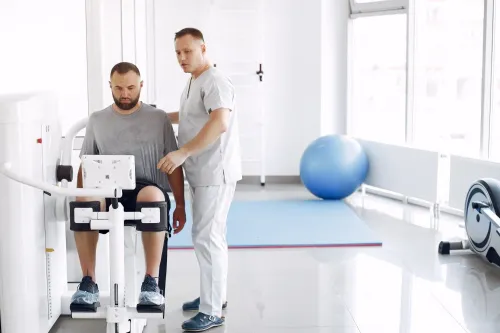
Neurology treatments vary according to the diagnosis. Some conditions respond well to medications and lifestyle modifications, while others may require rehabilitation, physiotherapy, long-term monitoring, or surgical intervention in collaboration with neurosurgical specialists.
Stroke is one of the most time-sensitive neurological emergencies. Warning signs include sudden facial drooping, weakness on one side of the body, slurred speech, confusion, or loss of vision. Immediate medical attention can significantly reduce the risk of permanent disability. Delaying treatment by even a few hours may affect recovery outcomes.
Chronic neurological conditions such as epilepsy, Parkinson's disease, neuropathy, migraine disorders, and multiple sclerosis also benefit from continuous follow-up. Regular consultations allow doctors to adjust medications, monitor disease progression, and help patients maintain the best possible quality of life.
Older adults should pay particular attention to changes in memory, coordination, balance, or walking ability. While some age-related changes are expected, persistent neurological symptoms should always be assessed to rule out underlying medical conditions.
Choosing a multispecialty hospital offers important advantages for neurological care. Patients often require collaboration between neurologists, emergency physicians, radiologists, physiotherapists, intensivists, and rehabilitation specialists. Access to advanced diagnostics and critical care services ensures that both emergency and long-term neurological conditions can be managed efficiently under one roof.
For individuals seeking neurology treatments in Pimpri-Chinchwad, Suman Multispecialty Hospital and ICU Care provides comprehensive neurological evaluation supported by advanced diagnostic facilities, emergency care, intensive care services, and multidisciplinary medical expertise. This coordinated approach allows patients to receive timely diagnosis and individualized treatment based on their specific condition.
Neurological symptoms should never be dismissed as routine discomfort, especially when they are persistent, progressive, or sudden in onset. Seeking medical evaluation early allows many neurological conditions to be diagnosed sooner, improving treatment options, reducing complications, and supporting better long-term health and independence.
Keywords