
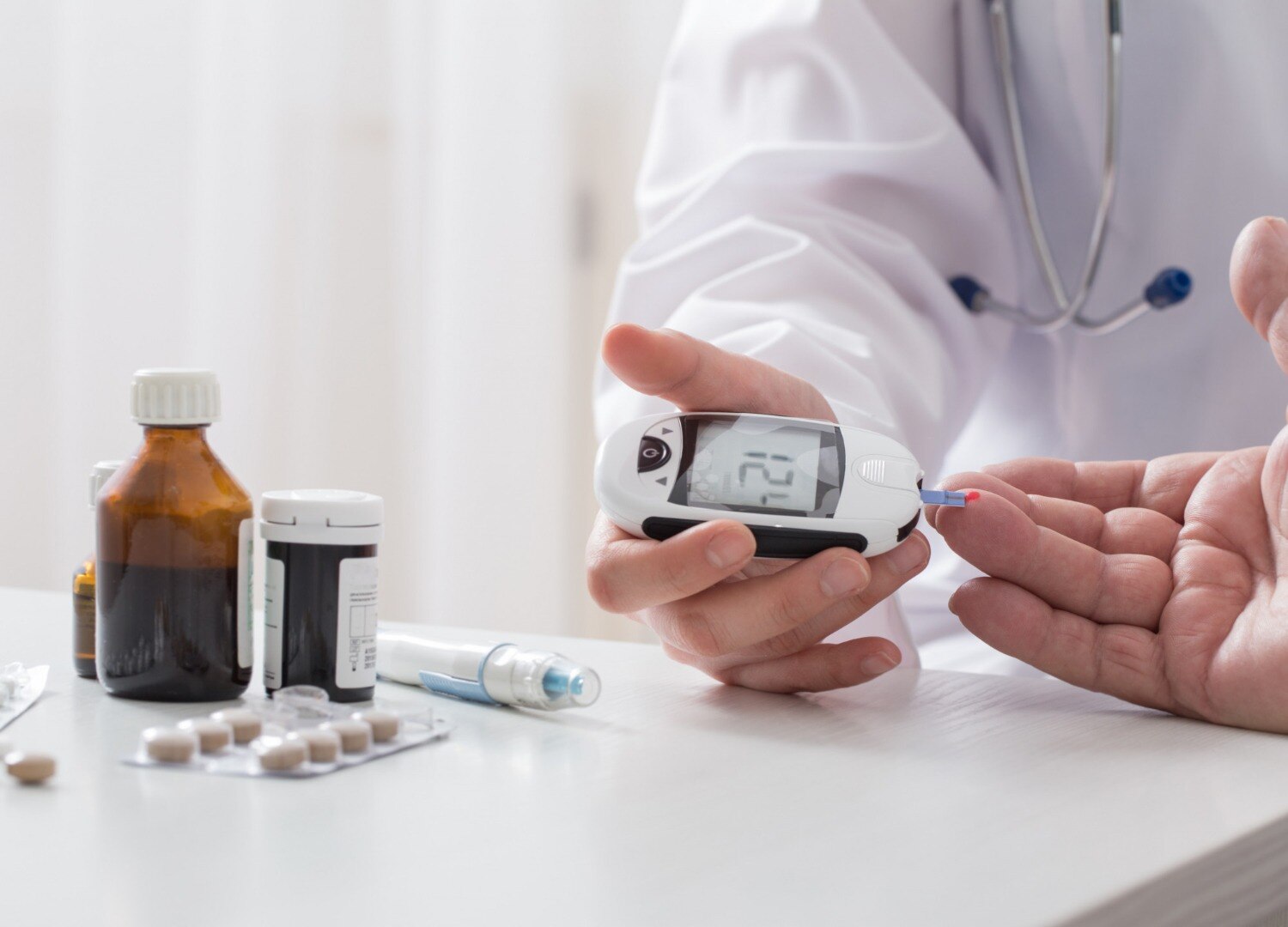
Start with a general physician when your diabetes is stable, your diagnosis is clear, and treatment is working; request specialist input when glucose control, pregnancy, complications, or medication decisions become difficult. You will be able to identify the right clinician, recognise emergencies, compare treatment choices, and assess whether a local hospital or specialist consultation offers the follow-up you need.
Key takeaways
- Routine type 2 diabetes care is often enough when medicines work and HbA1c improves.
- See a specialist for difficult control, repeated hypoglycaemia, complications, or uncertain diabetes type.
- Choose treatment by expected benefit, monitoring burden, side effects, and complication risk.
- Seek emergency care for confusion, unconsciousness, severe breathing difficulty, or persistent vomiting.
When routine diabetes treatment with a general physician is enough
A general physician is usually enough to start diabetes treatment when you have confirmed, stable type 2 diabetes, manageable medicines, no severe hypoglycaemia, and an HbA1c that is improving or on target. They can prescribe medicines, check blood pressure, review routine tests, and arrange referrals.
“Diabetes treatment or specialist care which should I choose” is often a false either-or decision.
| Situation | Best next step | Reason |
|---|---|---|
| Stable type 2 diabetes | Continue with a general physician | Routine prescriptions, monitoring, and prevention can be coordinated in primary care |
| Control or treatment becomes difficult | Request a diabetologist or endocrinology referral | Specialist input can clarify diagnosis, adjust complex therapy, or start insulin safely |
| Severe symptoms or unconsciousness | Seek emergency care | Confusion, fainting, persistent vomiting, rapid breathing, or inability to swallow needs urgent assessment |
Ask for referral if HbA1c remains high despite appropriate treatment, the diabetes type is uncertain, insulin initiation is being considered, or medicines are becoming complex. Referral is also important for recurrent low glucose, steroid-related diabetes, pregnancy, kidney disease, eye disease, nerve damage, foot ulcers, recurrent infections, or another new organ complication.
One normal glucose reading does not prove diabetes is absent; diagnosis uses the appropriate laboratory tests and clinical context. Do not stop treatment because symptoms improve, and do not assume every stable patient needs an endocrinologist. Add specialist care when the diagnosis, control, complications, or treatment decisions change.
What each diabetes professional evaluates and treats
Start with a general physician when your type 2 diabetes diagnosis is confirmed, medicines are manageable, HbA1c is improving or on target, and you have no severe hypoglycaemia or major complications. Request referral when control remains poor or treatment becomes complex.
1. A general physician treats common diabetes and related conditions, including blood pressure, cholesterol, routine tests, prescriptions, and referrals. A diabetologist focuses on diabetes diagnosis, medicines, insulin, glucose patterns, and complications. A diabetes doctor or specialist may be either a primary-care doctor with diabetes training or a specialist physician.
2. An endocrinologist evaluates diabetes alongside thyroid, adrenal, pituitary, metabolic, and other hormone disorders. A diabetes educator teaches glucose testing, insulin technique, meal planning, physical activity, sick-day rules, and glucose-meter or continuous-monitor use. Education complements medical treatment; it does not replace diagnosis or prescribing.
3. Arrange prompt specialist assessment for a new or suspected type 1 diagnosis, unclear diabetes classification, pregnancy-related diabetes, insulin initiation, repeated or severe hypoglycaemia, diabetic ketoacidosis, uncontrolled HbA1c, kidney or eye disease, nerve damage, foot ulcers, recurrent infections, or cardiovascular or endocrine disease.
Before booking, verify professional registration, relevant diabetes experience, appointment access, and the clinician’s referral and follow-up process. Confirm access to HbA1c and kidney testing, eye and foot screening, nutrition education, and urgent escalation rather than choosing by title alone.
Compare diabetes treatment options by benefit, burden, and risk
Choose a plan by benefit, burden, and risk—not by one glucose result. Discuss diabetes treatment options alongside diabetes type, kidney and heart disease, hypoglycaemia risk, cost, access, and your ability to follow the plan.
| Option | Benefit | Burden or risk to compare |
|---|---|---|
| Nutrition, activity, weight management | Improves glucose, blood pressure, and weight when appropriate | Requires sustained effort; it does not replace insulin in type 1 diabetes |
| Metformin | Effective, low-cost glucose lowering without much hypoglycaemia | Nausea or diarrhoea; kidney function affects safe use and dosing |
| Other oral medicines | Add glucose control or offer heart, kidney, or weight benefits | Compare hypoglycaemia, side effects, cost, kidney limits, and dose adjustments |
| Non-insulin injections | Can improve glucose and weight, with selected heart or kidney benefits | Injection frequency, nausea, supply, cost, and adherence |
| Insulin | Essential for newly diagnosed type 1 diabetes; treats severe insulin deficiency | Injections, monitoring, dose changes, weight gain, and hypoglycaemia; it does not mean treatment failed |
| Finger-stick testing or continuous glucose monitoring | Reveals fasting, post-meal, and low-glucose patterns | Strips or sensors cost money and require technique, interpretation, and follow-up |
| Kidney, eye, nerve, cardiovascular, and foot screening | Finds damage before symptoms become disabling | Requires appointments and action when results are abnormal |
Metformin is not automatically right for every person with type 2 diabetes. Ask how HbA1c, fasting and post-meal readings, blood pressure, kidney function, urine albumin, eye examinations, and foot checks fit together.
HbA1c is generally checked twice yearly when goals are met and every three months after a treatment change or when goals are not met. Suman Multispecialty Hospital & ICU Care, Moshi can help coordinate diabetes, cardiovascular, and complication assessment when one plan needs several services.
Related service
Diabetes Care and Treatments Overview of Diabetes Diabetes is a complex disease. Different types of diabetes, a variety of risk factors and warning signs can make it difficult to... View service → |
Know when symptoms require emergency diabetes care
Confusion, fainting, severe dehydration, persistent vomiting, or rapid or deep breathing means you should skip a routine diabetes appointment and seek immediate hospital assessment. These signs can indicate diabetic ketoacidosis (DKA) or hyperosmolar hyperglycemic state (HHS), which can worsen rapidly.
Go to emergency services immediately if you have:
- Inability to keep fluids down
- Marked weakness or worsening drowsiness
- Confusion, fainting, or difficulty staying awake
- Rapid or deep breathing
- Severe dehydration, such as very dry mouth, minimal urine, or dizziness
- Severe hypoglycaemia causing unconsciousness, a seizure, or inability to swallow safely
For severe hypoglycaemia, use the prescribed emergency glucagon plan when available and call emergency services. Never give food, drink, or oral glucose to an unconscious person or anyone who cannot swallow safely; they can choke.
Same-day assessment can require blood glucose and ketone testing, electrolytes, kidney-function tests, intravenous fluids, insulin, treatment for infection, and observation. ICU capacity matters when DKA, HHS, severe hypoglycaemia, sepsis, or an acute cardiovascular event affects breathing, circulation, or consciousness.
Do not judge an outpatient diabetes clinic by ICU availability alone. Ask whether it provides same-day testing, endocrinology referral, medication review, and follow-up after discharge. Distance matters during an emergency, but it does not replace those capabilities.
Frequently asked questions
When is routine diabetes treatment with a general physician enough?
A general physician is usually enough for confirmed, stable type 2 diabetes when medicines are manageable, severe hypoglycaemia is absent, and HbA1c is improving or on target.
What does a diabetes specialist evaluate and treat?
A diabetologist or endocrinologist evaluates difficult blood sugar control, uncertain diabetes type, repeated hypoglycaemia, medicine changes, and diabetes-related complications.
How should you compare diabetes treatment options?
Compare each option by its expected blood sugar benefit, side effects, monitoring requirements, cost and effort, risk of hypoglycaemia, and effect on kidney, heart, and weight health.
When does diabetes require emergency care?
Seek emergency care for unconsciousness, severe confusion, seizures, severe breathing difficulty, persistent vomiting, or suspected diabetic ketoacidosis or dangerously low blood sugar.
Keywords